
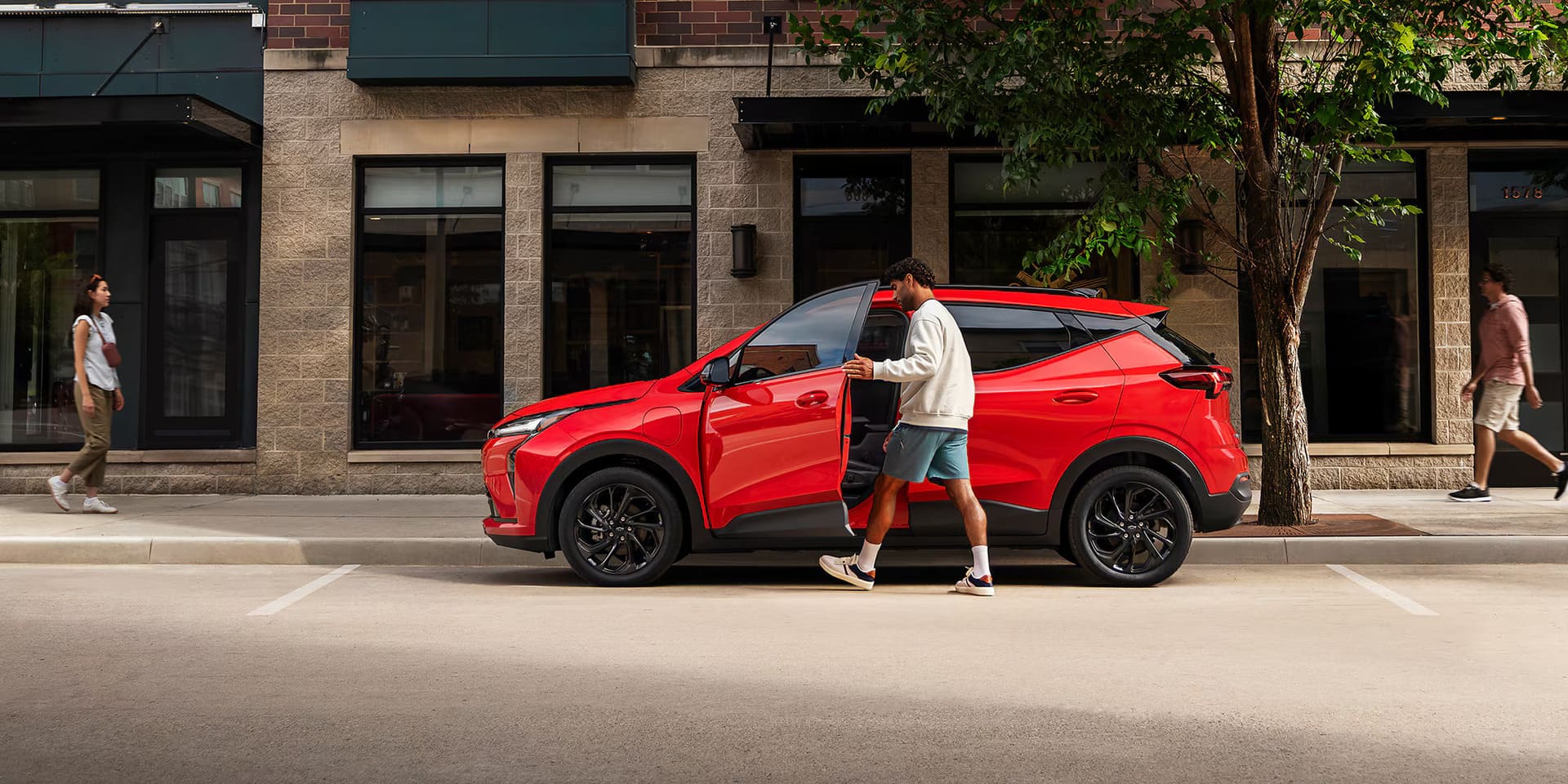
2027 Chevrolet Bolt vs 2026 Kia Niro EV: Range, Charging, and Tech Compared
The 2027 Chevrolet Bolt delivers 262 miles of EPA-estimated range and hits 10%-80% charge in just 25 minutes. That is 9 more miles of range than the 2026 Kia Niro EV and 18 minutes faster at a DC fast charger. Here is how these two affordable EVs compare, with Bolt inventory at Fillback Family of Dealerships in Boscobel.
The Short Answer
The 2027 Bolt wins on charging speed, screen size, and available technology. Drivers who prioritize a faster public charging experience, standard hands-free capability via available Super Cruise, and a larger infotainment display should choose the Bolt. Buyers who want more cargo space behind the rear seat, a longer basic warranty, or the Wave trim’s Vehicle-to-Load power outlet will find the Niro EV worth a serious look.
Specs Head-to-Head
| Spec | 2027 Chevy Bolt | 2026 Kia Niro EV |
|---|---|---|
| Motor Output | 210 hp | 201 hp |
| Torque | 169 lb-ft | 188 lb-ft |
| Battery Capacity | 65 kWh | 64.8 kWh |
| EPA Range | 262 miles | 253 miles |
| DC Fast Charging, 10%-80% | 25 minutes | 43 minutes |
| Peak AC Home Charge Rate | 11.5 kW | 11 kW |
| Charge Port | NACS, Tesla Supercharger compatible | CCS |
| Drivetrain | FWD | FWD |
| Seating | 5 | 5 |
| Cargo Behind 2nd Row | 16.2 cu ft | 22.8 cu ft |
| Basic Warranty | 3 yr / 36,000 mi | 5 yr / 60,000 mi |
| Battery Warranty | 8 yr / 100,000 mi | 10 yr / 100,000 mi |
Performance and Powertrain
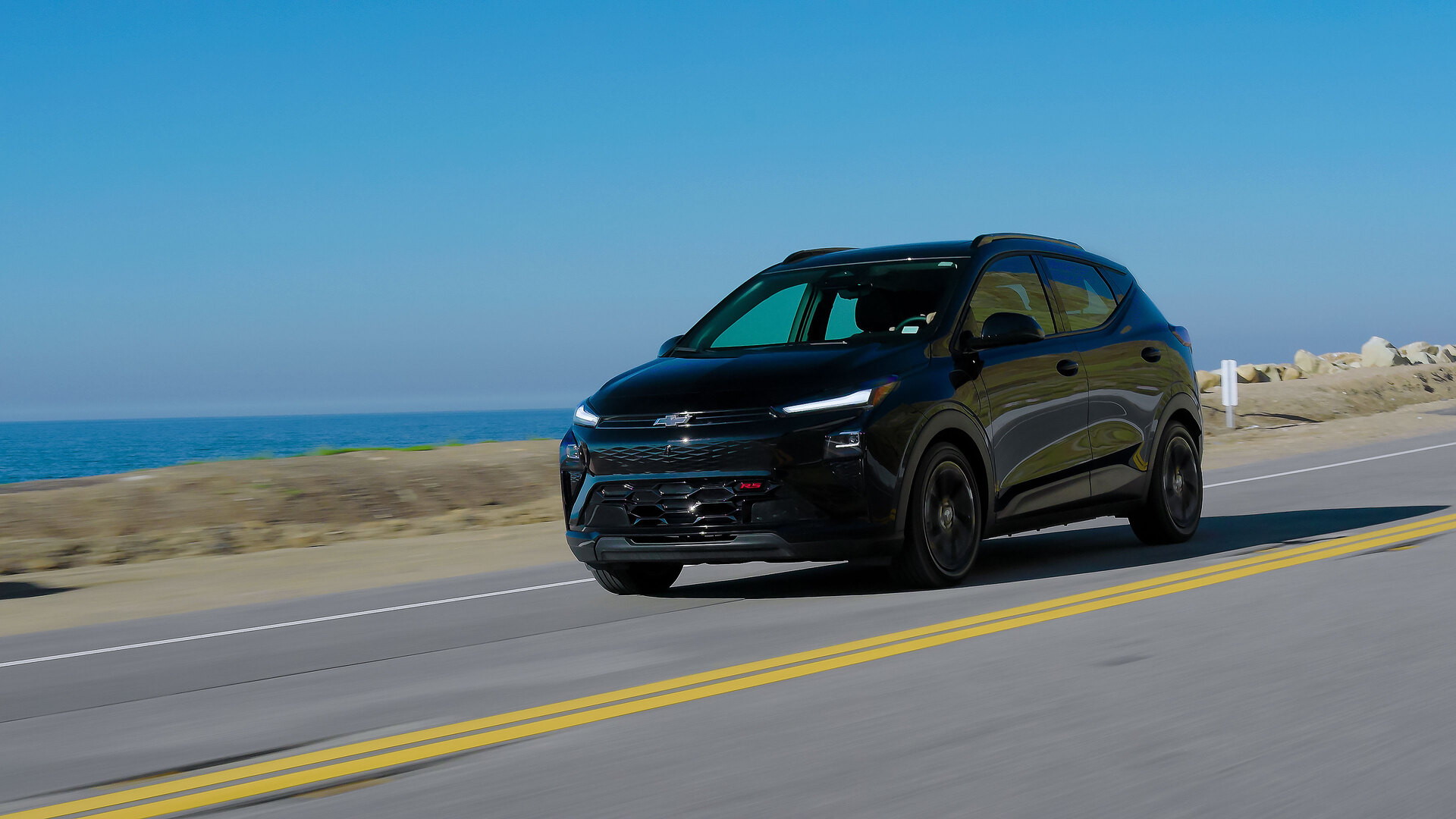
The Bolt’s 210-hp motor edges the Niro EV’s 201-hp unit. The Niro EV counters with 188 lb-ft of torque versus the Bolt’s 169 lb-ft, giving it a slightly stronger off-the-line pull on paper.
Where the gap becomes significant is charging. The Bolt supports up to 150 kW of peak DC fast charging, getting from 10% to 80% in 25 minutes. The Niro EV tops out at 100 kW in real-world fast-charging scenarios, requiring roughly 43 minutes for the same 10%-80% window. That is an 18-minute difference, meaningful on any road trip through Wisconsin.
The Bolt also uses a native NACS port, meaning it connects directly to Tesla Superchargers without an adapter. The Niro EV uses a CCS port and requires an adapter to access that network. Both vehicles support one-pedal-style regenerative braking; the Niro EV adds steering-wheel-mounted paddles for adjustable regen levels.
The Bolt supports 11.5 kW home AC charging. The Niro EV tops out at 11 kW. Both vehicles include battery thermal management, and the Bolt makes a battery heater standard across all trims. The Niro EV’s heat pump and battery warmer are part of an optional Preserve Package.
Interior, Space, and Cargo
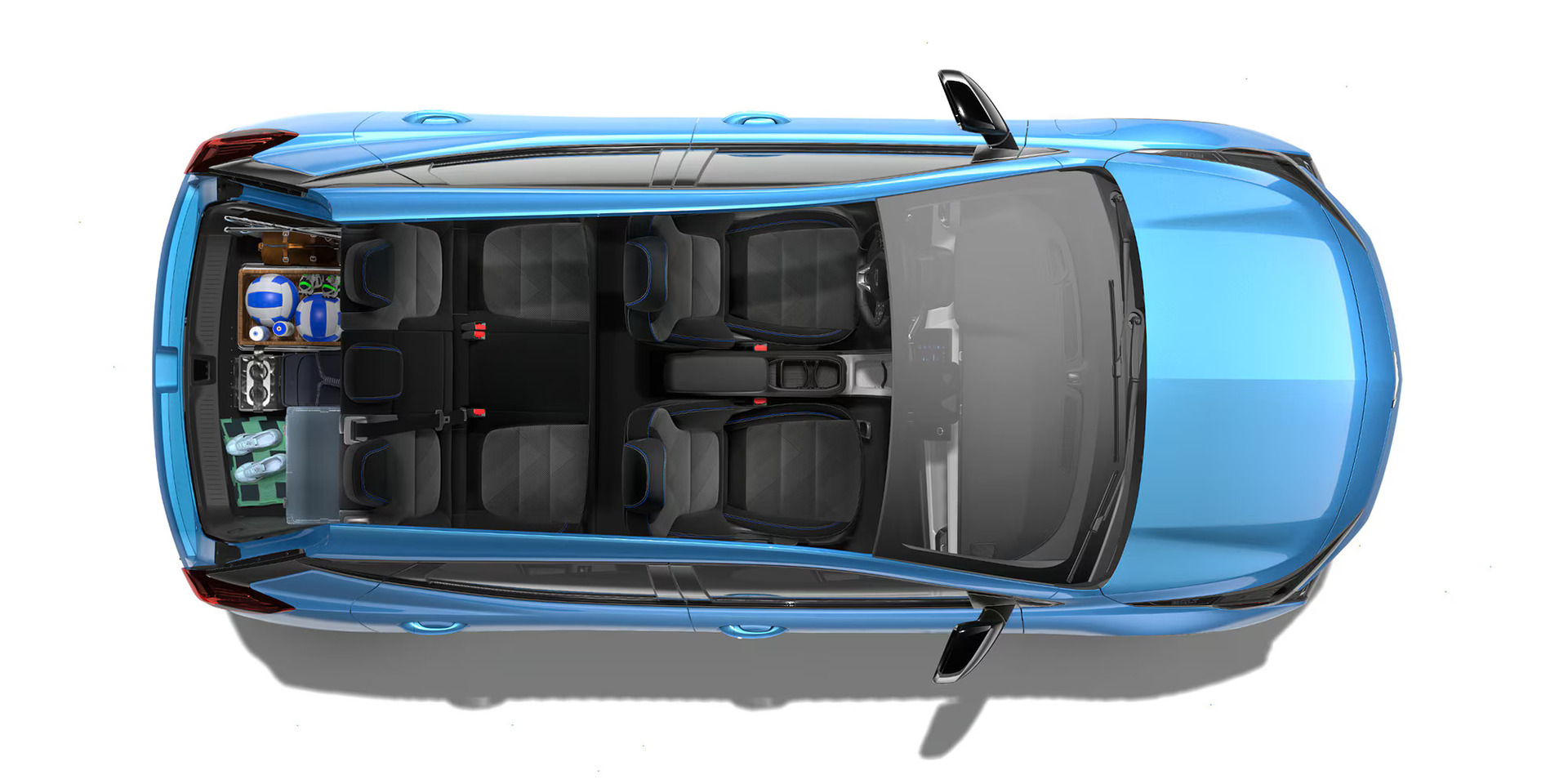
Both vehicles seat five. Rear legroom is where the Bolt gains a clear advantage: 39.1 inches versus 36.9 inches in the Niro EV. That extra 2.2 inches is noticeable for adult rear passengers on longer drives around Wisconsin.
Cargo behind the rear seat flips the comparison. The Niro EV offers 22.8 cubic feet of cargo space with the rear seat up, compared to 16.2 cubic feet in the Bolt. Fold the seats and the Niro EV stretches to 63.7 cubic feet versus the Bolt’s 56.3 cubic feet. If cargo volume is the priority, the Niro EV carries the day.
Interior materials differ in character. The Bolt’s RS trim brings standard Evotex seating, multi-color ambient lighting, and an 8-way power driver seat. The Niro EV Wave trim comes with ventilated front seats, a power passenger seat, and an electrochromic rearview mirror. The Bolt LT uses cloth seats and a 6-way manual driver seat as standard, while the Niro EV Wind starts with combination vegan leather and cloth and a 10-way power driver seat standard on both trims.
Both hatchbacks offer a dual-panel power sunroof as an option. The Niro EV Wave adds a standard power sunroof, while the Bolt’s sunroof is an available package on LT.
Technology and Safety
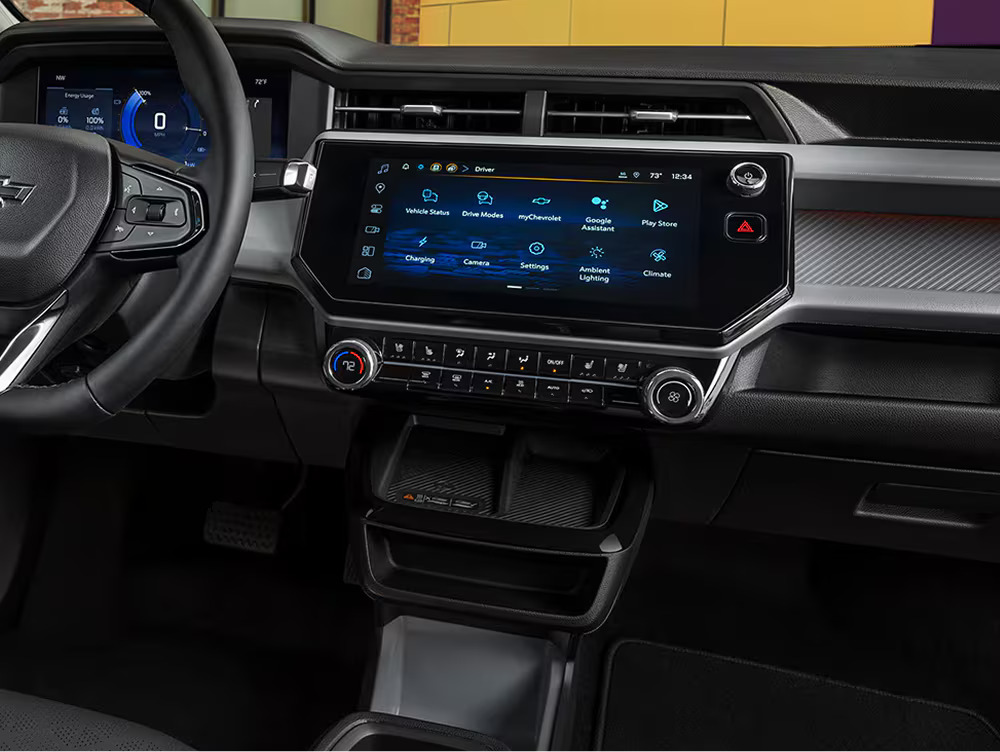
The Bolt’s infotainment screen measures 11.3 inches diagonally, paired with an 11-inch Driver Information Center. The Niro EV uses dual 10.25-inch displays for both functions. Both integrate Google-based navigation and voice assistance, the Bolt through Google Built-In with Google Maps and Google Assistant, and the Niro EV through built-in navigation with wired Apple CarPlay and Android Auto.
The Bolt offers Super Cruise, Chevrolet’s available hands-free driver assistance system. No comparable hands-free highway system is available on the Niro EV in any trim. The Niro EV Wave trim does offer Highway Driving Assist 2 with automatic lane change, which is an active but not hands-free system.
On safety, both vehicles include adaptive cruise control with stop-and-go, forward collision warning, automatic emergency braking, blind spot monitoring, lane keeping assistance, and rear cross-traffic alert as standard. The Bolt adds standard Blind Zone Steering Assist, which intervenes in steering to help avoid collisions, while the Niro EV Wind provides alert-only blind spot monitoring. The Bolt also makes available a Rear Camera Mirror and HD Surround Vision camera system, features not offered on the Niro EV.
Rear USB-C ports are standard on the Bolt. The Niro EV makes rear USB ports available but not standard across trims. Wireless phone charging is available on both vehicles.
The Niro EV Wave adds Vehicle-to-Load capability, letting drivers power external devices or appliances from the battery. The Bolt offers Vehicle-to-Home bidirectional capability when paired with a GM Energy home system, a different but complementary feature.
Value and Ownership
Neither vehicle’s dollar price appears in this comparison, but the publicly available MSRP gap between the two is substantial. Chevrolet positions the Bolt as the more affordable option, and that positioning holds across published figures from both manufacturers.
On warranty, the Niro EV holds a structural advantage. Its basic warranty covers 5 years and 60,000 miles, compared to the Bolt’s 3 years and 36,000 miles. The Niro EV’s powertrain coverage runs 10 years and 100,000 miles versus the Bolt’s 8 years and 100,000 miles. Both batteries receive robust long-term coverage, but the Niro EV’s overall warranty is longer on both counts.
Standard content tells a different story. The Bolt includes more than 20 standard safety and driver assistance features across all trims, with adaptive cruise control, Blind Zone Steering Assist, Intersection Collision Mitigation, and Rear Automatic Braking all included from the base LT. The Niro EV’s heated battery system and heat pump require an optional Preserve Package on both trims, while the Bolt makes the battery heater standard.
The Bolt also includes One-Pedal Driving with selectable Normal and High regenerative braking settings as standard. The Niro EV provides steering-wheel-mounted paddles for regen adjustment on both trims.
Which One Should You Buy
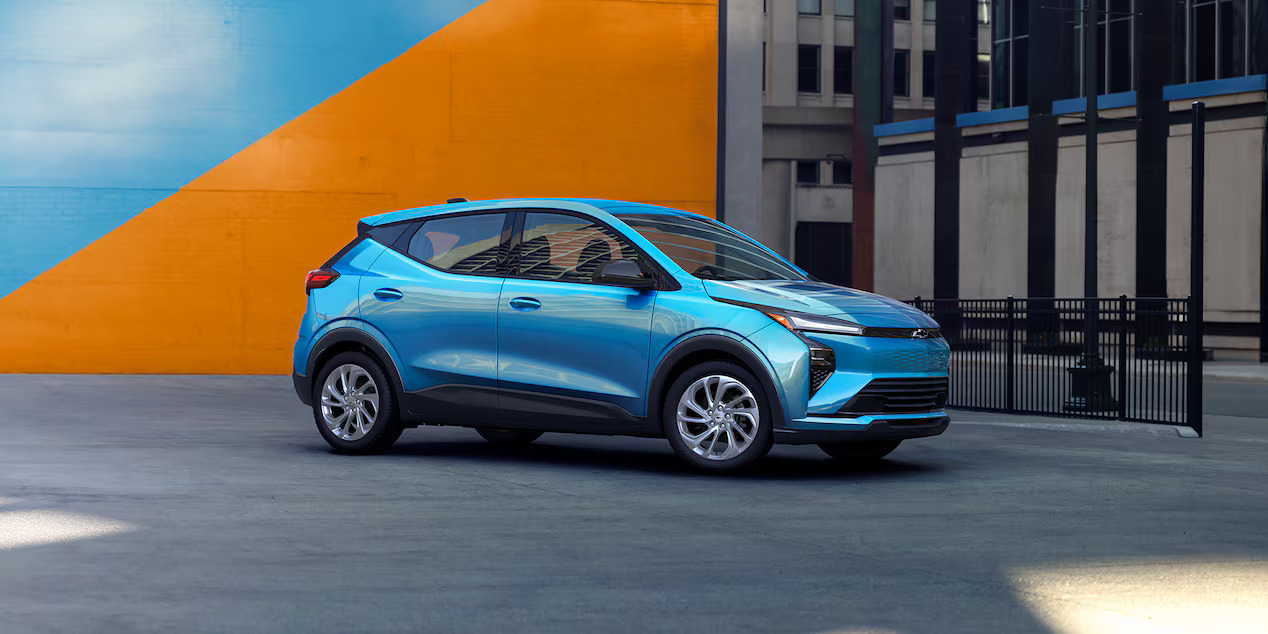
Choose the 2027 Chevrolet Bolt if:
- Faster public charging is a priority. Eighteen minutes saved at every fast-charge stop adds up quickly on Wisconsin road trips.
- You want access to Tesla Supercharger stations through the native NACS port.
- Available Super Cruise hands-free driving technology matters to you.
- Rear passenger legroom, 39.1 inches, is more important than raw cargo volume.
- A larger infotainment display and the RS trim’s sporty styling appeal to you.
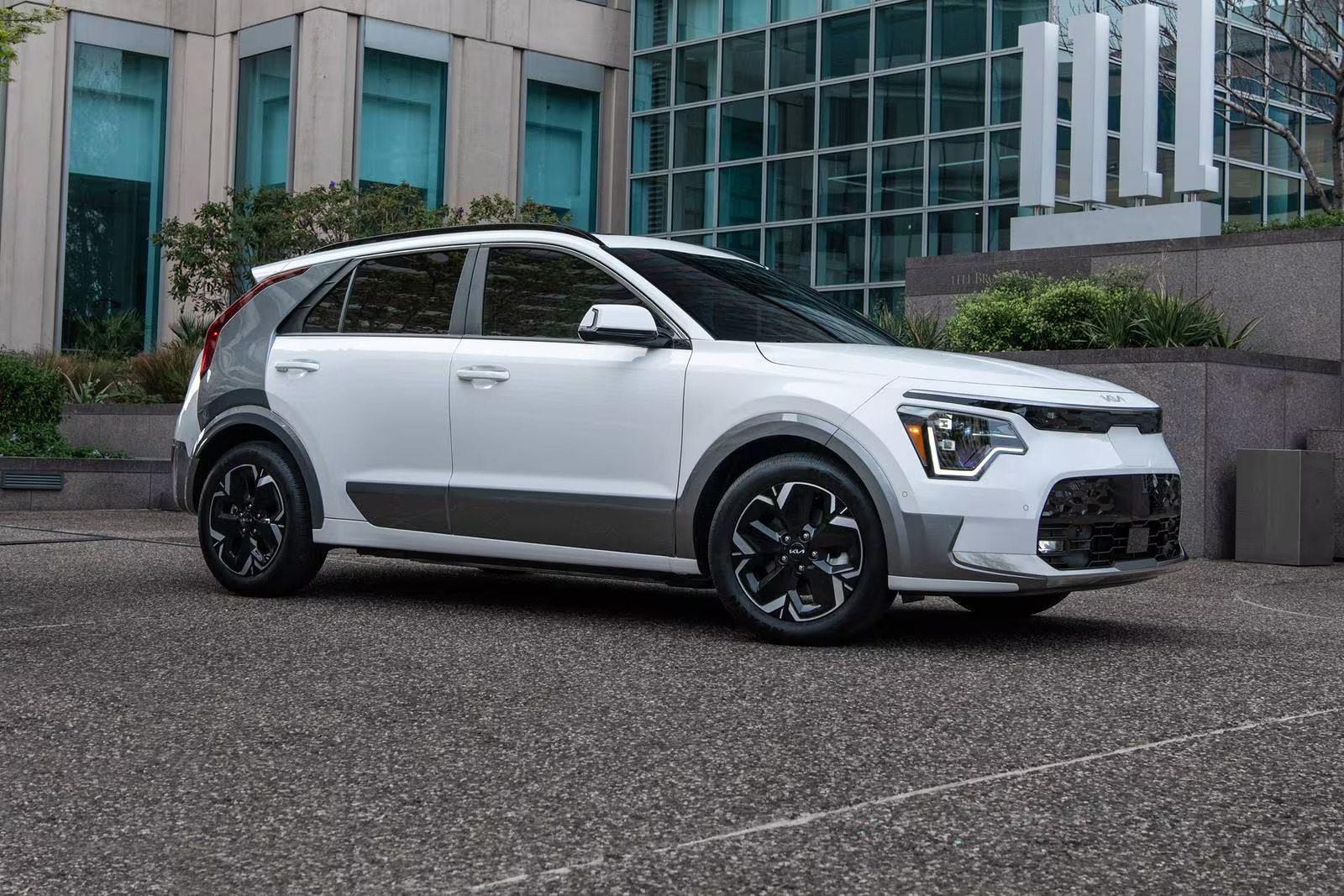
Choose the 2026 Kia Niro EV if:
- Cargo space behind the rear seat is the top requirement. The Niro EV’s 22.8 cubic feet trounces the Bolt’s 16.2.
- A longer basic and powertrain warranty gives you more peace of mind.
- The Wave trim’s Vehicle-to-Load outlet for powering devices and appliances fits your lifestyle.
- Ventilated front seats and a power passenger seat standard in the Wave trim are non-negotiable.
For most drivers in Boscobel and across western Wisconsin, the Bolt’s combination of faster charging, greater range, and available technology represents a strong argument. Those who frequently haul cargo or place maximum value on warranty length should weigh the Niro EV carefully before deciding.
See the 2027 Chevrolet Bolt at Fillback Family of Dealerships in Boscobel
The 2027 Bolt brings 262 miles of range, 25-minute DC fast charging, native Supercharger access, and available Super Cruise to a price point that leaves most competing EVs well behind. Fillback Family of Dealerships in Boscobel carries Bolt inventory in both LT and RS trims, with color choices including Habanero Orange, Marina Blue Metallic, Mosaic Black Metallic, Summit White, Sterling Gray Metallic, and others. Stop in, schedule a test drive, or browse current stock online to find yours.
Frequently Asked Questions
Does the 2027 Chevy Bolt have more range than the 2026 Kia Niro EV?
Yes. The 2027 Bolt delivers an EPA-estimated 262 miles of range on a full charge, compared to 253 miles for the 2026 Niro EV. That 9-mile advantage makes the Bolt the longer-range choice in this comparison.
How much faster does the Bolt charge than the Niro EV?
Significantly faster. The Bolt charges from 10% to 80% in approximately 25 minutes using public DC fast charging. The Niro EV takes approximately 43 minutes for the same window, making the Bolt roughly 18 minutes faster per session.
Can the 2027 Bolt use Tesla Superchargers?
Yes. The Bolt comes equipped with a native NACS charge port, which is directly compatible with Tesla Supercharger stations. The Niro EV uses a CCS port and requires an adapter to access the Supercharger network.
Which vehicle has more cargo space, the Bolt or the Niro EV?
The Niro EV. With the rear seat up, the Niro EV offers 22.8 cubic feet of cargo space behind the second row versus 16.2 cubic feet in the Bolt. Folded, the Niro EV expands to 63.7 cubic feet compared to 56.3 in the Bolt.
Does the Bolt or the Niro EV have a better warranty?
The Niro EV’s warranty is longer. It covers 5 years and 60,000 miles for basic and 10 years and 100,000 miles for powertrain. The Bolt offers 3 years and 36,000 miles for basic and 8 years and 100,000 miles for its battery and electric motors. Both offer solid battery coverage, but the Niro EV leads overall.
Is Super Cruise available on the Kia Niro EV?
No. Super Cruise, Chevrolet’s available hands-free driver assistance system, is exclusive to General Motors vehicles. The Niro EV Wave trim offers Highway Driving Assist 2, which assists with lane keeping and can initiate automatic lane changes but does not operate hands-free in the same way.
Where can I see the 2027 Bolt in person near Boscobel, WI?
Fillback Family of Dealerships carries the 2027 Chevrolet Bolt at its Boscobel location. You can browse current inventory online or contact the dealership to schedule a test drive.
 Filter
 My Vehicles
 Contact Us
Latest Arrival
New Chevrolet Bolt Inventory


 Close

