
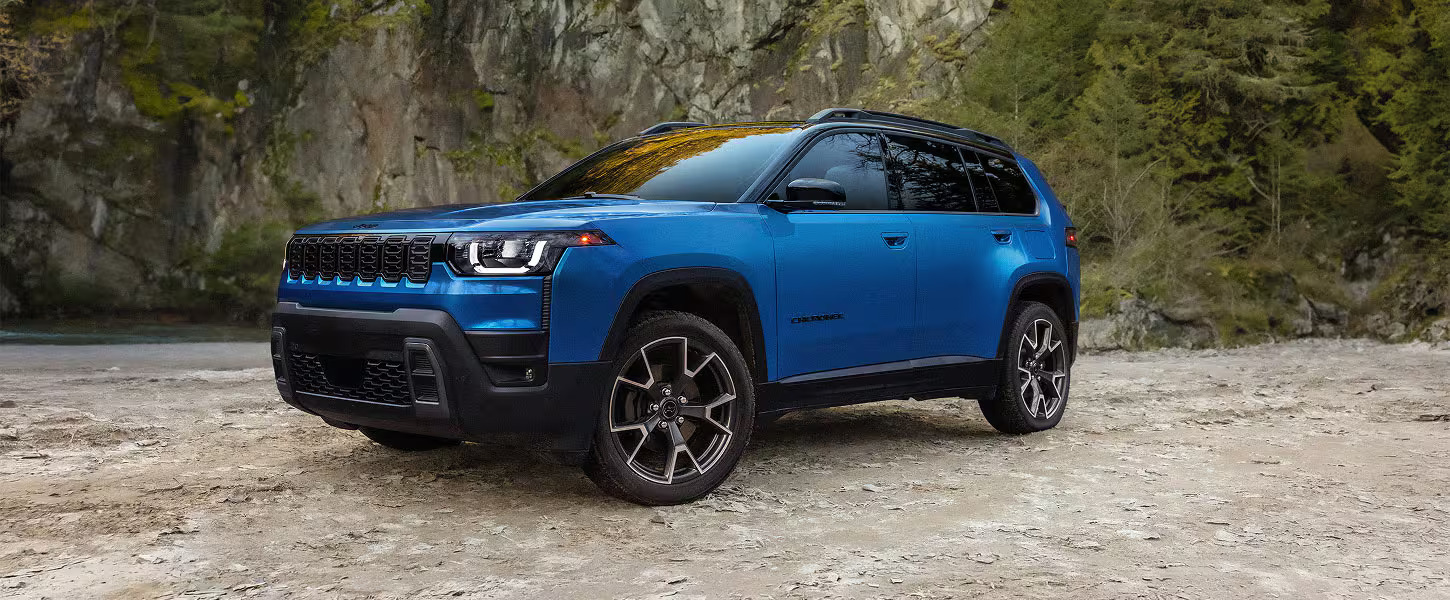
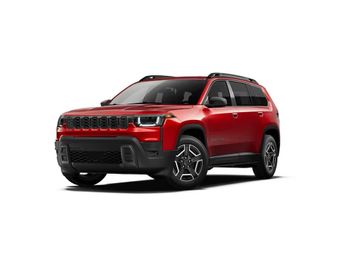
2027 Jeep Cherokee vs 2027 Honda CR-V: Full Comparison
The 2027 Jeep Cherokee delivers 39 city MPG from a self-charging 1.6L Turbo Hybrid and tows up to 3,500 lbs. The CR-V reaches 190 hp on gas trims but tows only 1,500 lbs and lacks standard 4WD across its lineup. This page compares both SUVs spec by spec so you can shop Cherokee inventory at Fillback Family of Dealerships.
The Short Answer
The 2027 Jeep Cherokee wins for buyers who need real 4WD confidence, meaningful tow capacity, and best-in-class hybrid fuel economy in a midsize SUV. If you spend time on Wisconsin’s rural roads or want to pull a small trailer near Boscobel, Richland Center, or Prairie du Chien, the Cherokee’s 3,500-lb tow rating and standard Jeep Active Drive I 4×4 system make a clear case. The CR-V is a strong choice for buyers who want a slightly lighter, more maneuverable crossover primarily used for suburban commuting, with the CR-V Hybrid trims delivering up to 43 city MPG on non-TrailSport grades.
Specs Head-to-Head
| Spec | 2027 Jeep Cherokee | 2027 Honda CR-V |
|---|---|---|
| Engine | 1.6L I4 Turbo Hybrid | 1.5L I4 Turbo (gas) / 2.0L Atkinson Hybrid |
| Horsepower | 177 hp (221 lb-ft torque) | 190 hp gas / 204 hp hybrid system |
| Transmission | Electronic Variable (EVT) | CVT (gas) / Direct Drive (hybrid) |
| Drivetrain | 4WD standard (all trims) | FWD standard; AWD available |
| Fuel Economy | 39 city / 35 hwy / 37 combined | 28 city / 33 hwy / 30 combined (gas) |
| Towing Capacity | 3,500 lbs | 1,500 lbs (gas) / 1,000 lbs (hybrid) |
| Ground Clearance | 8.0 in | 7.8 in (2WD) |
| Length | 188.1 in | 184.8 in |
| Max Cargo | 68.3 cu ft | 76.5 cu ft (gas) / 71.8 cu ft (hybrid) |
| Seating | 5 | 5 |
| Warranty | 3 yr / 36k basic; 5 yr / 60k powertrain | 3 yr / 36k basic; 5 yr / 60k powertrain |
Performance and Powertrain
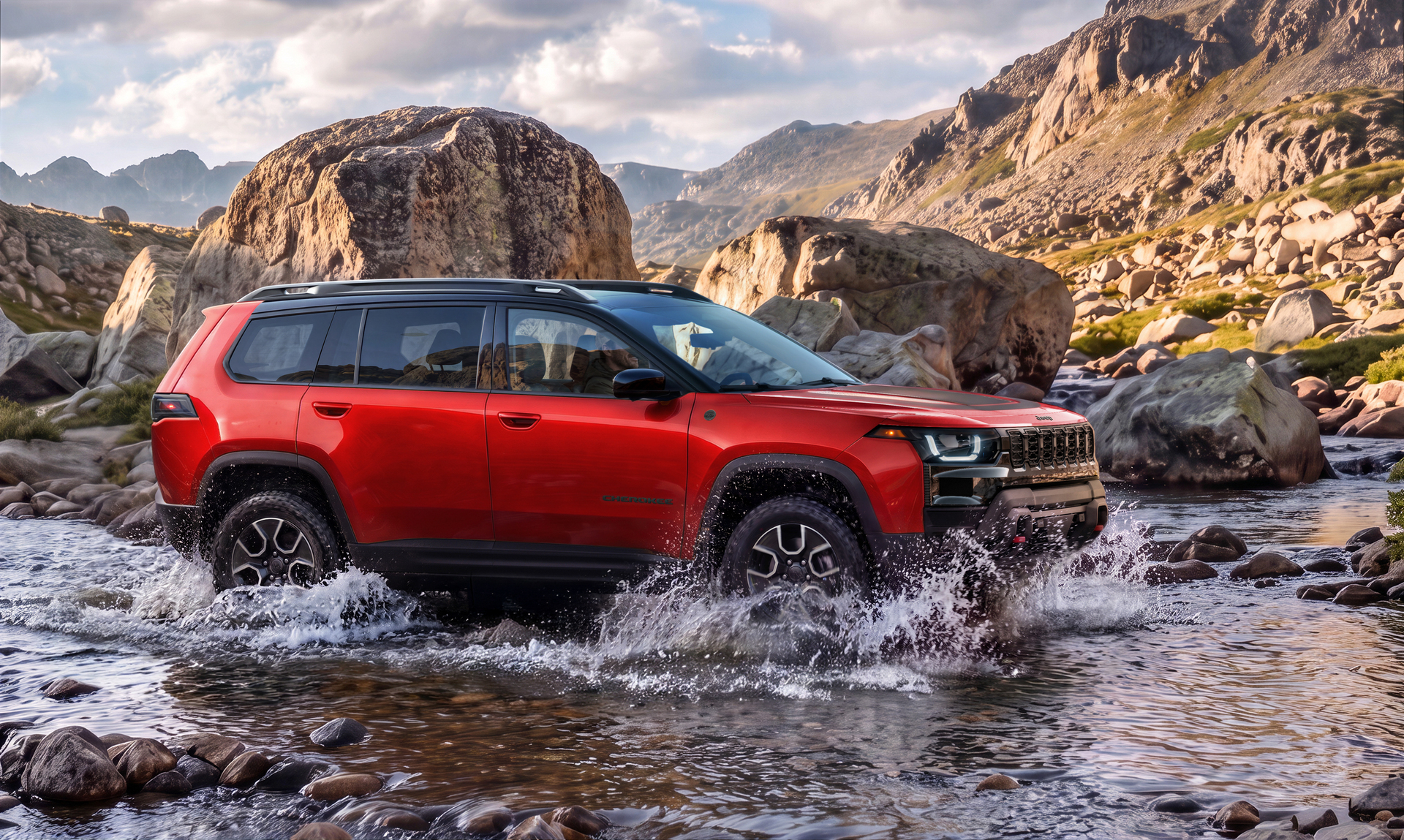
The Cherokee’s 1.6L Turbo Hybrid is a self-charging system, meaning you never plug it in. Regenerative braking and the engine itself keep the 400V NMC battery charged. The result is 39 city / 35 highway / 37 combined MPG with a driving range of over 500 miles on a single tank. The hybrid system produces a net output of 210 hp when the electric motor supplements the 177-hp engine, so real-world acceleration is confident rather than strained.
The CR-V offers more horsepower on paper, at 190 hp for gas trims, but EPA economy on gas models drops to 28 city / 33 highway / 30 combined. CR-V Hybrid trims use a 2.0L Atkinson engine with a two-motor setup rated at 204 total system horsepower, and those hybrid trims achieve up to 43 city / 36 highway on non-AWD Sport Hybrid configurations. The CR-V gas trims come standard with FWD.
The Cherokee ships with 4WD standard on every trim, from the base Cherokee through the Overland. The Selec-Terrain system lets the driver choose surface modes for added control on mud, sand, or snow. Ground clearance sits at 8.0 in on the Cherokee versus 7.8 in on the CR-V, a small but real edge on rough terrain.
Interior, Space and Cargo
The CR-V edges the Cherokee in maximum cargo volume: 76.5 cu ft on gas trims versus 68.3 cu ft in the Cherokee. Behind the second row with seats up, the CR-V hybrid offers 36.3 cu ft while the Cherokee offers 33.6 cu ft.
Passenger dimensions are comparable. The Cherokee provides 41.3 in of front legroom and 38.5 in rear legroom. The CR-V matches the Cherokee at 41.3 in front legroom and offers 41.0 in rear legroom, a slight advantage in the second row.
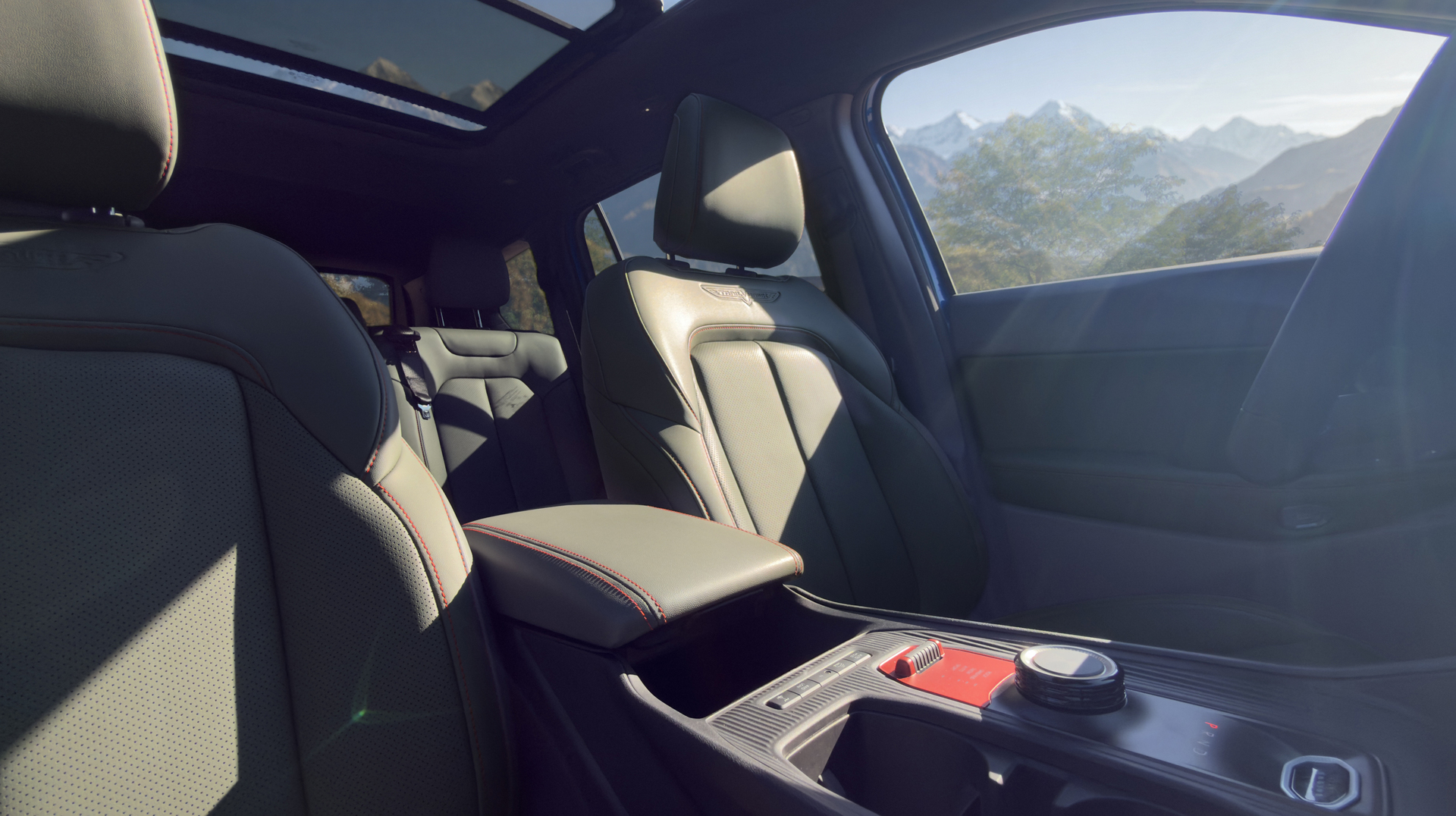
Both vehicles seat five and include a rear 60/40 folding seat, rear climate ducts, and dual-zone automatic climate control. The Cherokee’s Overland trim adds a standard dual-pane panoramic sunroof, hands-free power liftgate, and an Alpine 9-speaker audio system with subwoofer. The CR-V Sport Touring Hybrid counters with a Bose 12-speaker system, heated front seats, and ambient LED lighting. Both cabins are well-equipped for Wisconsin winters, with heated front seats available from the Cherokee Laredo trim and standard on the CR-V from EX upward.
Technology and Safety
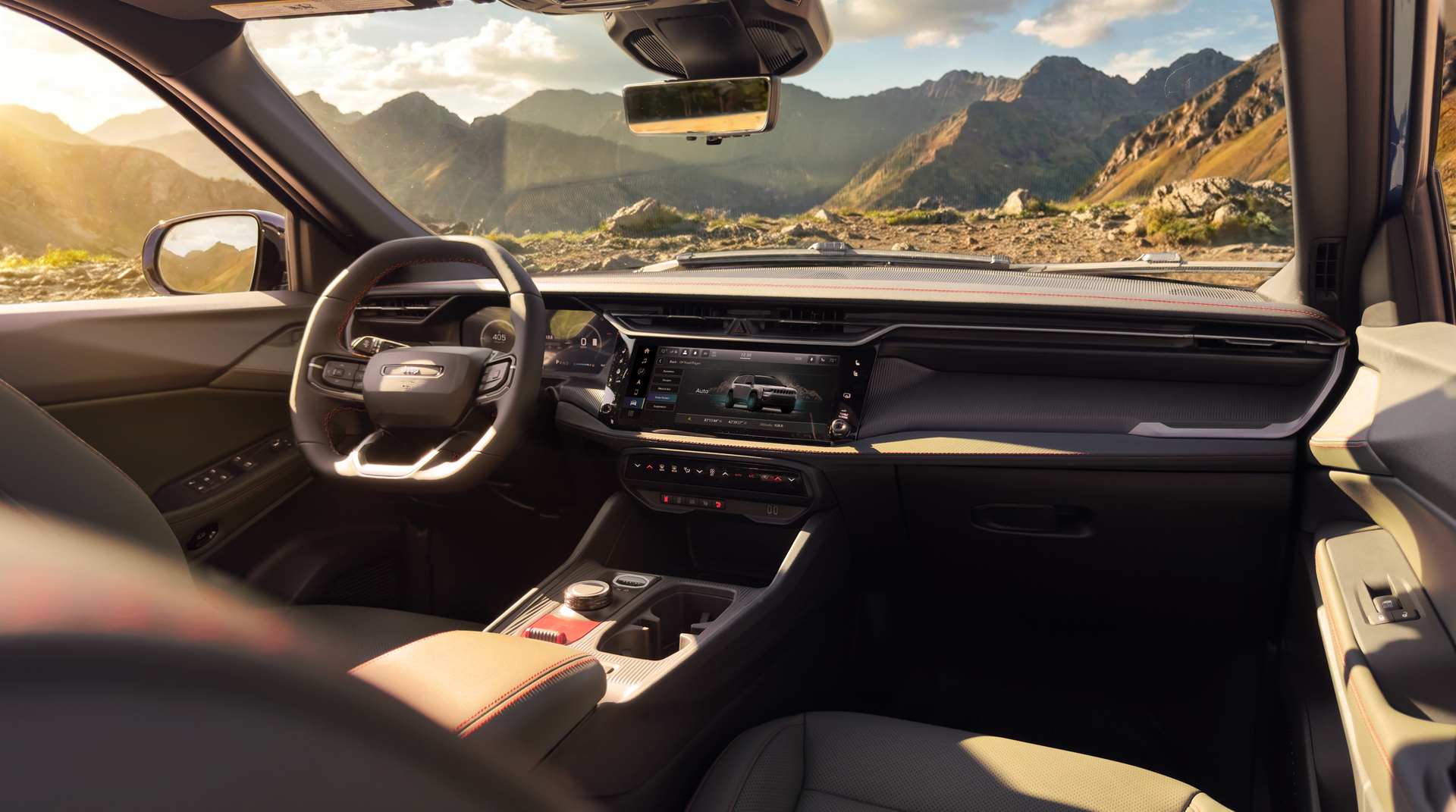
Both vehicles include wireless Apple CarPlay and Android Auto, a 12.3-in touchscreen (Cherokee) versus a 9-in touchscreen (CR-V), push-button start, and a wireless charging pad. The Cherokee pairs its touchscreen with a 10.25-in digital cluster display across all trims. The CR-V moves to a 10.2-in digital cluster on EX-L and above only.
The Cherokee ships every trim with Adaptive Cruise Control with Stop and Go, Active Lane Management, Full-Speed Forward Collision Warning Plus, Blind-Spot and Cross-Path Detection, Drowsy Driver Detection, Intersection Collision Assist, and the Active Driving Assist semi-autonomous system. Pedestrian and cyclist emergency braking is also standard.
The CR-V runs Honda Sensing across all trims, which includes Collision Mitigation Braking, Road Departure Mitigation, Lane Keeping Assist, Traffic Sign Recognition, and Blind Spot Information on EX and above. Both systems are competitive, though the Cherokee’s driver-assist depth is available from the base trim without needing to step up.
Value and Ownership
Both vehicles carry identical warranties: 3 years / 36,000 miles basic and 5 years / 60,000 miles powertrain.
The Cherokee’s self-charging hybrid means no new charging infrastructure is needed, which matters in rural Crawford, Richland, and Grant County communities where public charging remains limited. The CR-V Hybrid is also a self-charging system, so neither vehicle requires a plug.
The Cherokee delivers class-leading tow capacity at 3,500 lbs with the optional Trailer Tow Group on Laredo and above. The CR-V gas trims top out at 1,500 lbs and hybrid trims drop to 1,000 lbs. For anyone planning to tow a small boat, utility trailer, or snowmobile sled on Wisconsin’s backroads, that gap is significant.
The CR-V’s maximum cargo volume advantage of 76.5 cu ft to 68.3 cu ft gives it an edge for families prioritizing hauling groceries, gear, or strollers. The Cherokee’s longer 188.1-in body versus the CR-V’s 184.8-in footprint means slightly more road presence but a similar parking footprint.
Which One Should You Buy
Buy the 2027 Jeep Cherokee if:
- You want 4WD standard without paying extra or stepping up to a specific trim
- You tow a boat, camper, or trailer and need 3,500-lb capacity
- You want 39 city MPG in an SUV that never needs a plug
- Wisconsin winter road performance is a priority
- You’re near Boscobel, Richland Center, or Prairie du Chien and want a vehicle the Fillback Family of Dealerships stocks and services
Buy the 2027 Honda CR-V if:
- Maximum cargo space is your top priority
- You want more rear legroom for taller passengers
- You prefer a lighter, shorter vehicle for urban environments
- The top CR-V Hybrid’s 43 city MPG rating is more important than tow capacity or standard 4WD
See the 2027 Jeep Cherokee at Fillback Family of Dealerships in Wisconsin
The 2027 Cherokee is available through Fillback Family of Dealerships, with Jeep stores serving Boscobel, Richland Center, and Prairie du Chien. The combination of 39 city MPG, 3,500 lbs of tow capacity, and standard 4WD across every trim makes the Cherokee the stronger choice for Wisconsin drivers who need a midsize SUV built for more than just the school run. Browse current inventory or schedule a test drive at any Fillback location.
Frequently Asked Questions
Does the 2027 Jeep Cherokee come with 4WD standard?
Yes. The 2027 Cherokee includes the Jeep Active Drive I 4×4 system standard on every trim, from the base Cherokee through the Overland.
How does the Cherokee’s towing compare to the Honda CR-V?
The Cherokee tows up to 3,500 lbs with the available Trailer Tow Group. The CR-V gas trims tow up to 1,500 lbs, and CR-V hybrid trims are rated at 1,000 lbs.
Does the 2027 Jeep Cherokee need to be plugged in?
No. The Cherokee uses a self-charging hybrid system. The 400V NMC battery charges through the engine and regenerative braking, so no external charging is required.
What is the fuel economy of the 2027 Jeep Cherokee?
The Cherokee is EPA-rated at 39 city / 35 highway / 37 combined MPG on its 1.6L Turbo Hybrid powertrain.
Which has more cargo space, the Cherokee or the CR-V?
The CR-V has more maximum cargo volume at 76.5 cu ft on gas trims versus 68.3 cu ft in the Cherokee. The Cherokee’s rear seat cargo volume is 33.6 cu ft versus 36.3 cu ft in the CR-V Hybrid with seats up.
Which vehicle has more standard safety technology?
Both are well-equipped. The Cherokee includes Adaptive Cruise Control with Stop and Go, Active Lane Management, Blind-Spot and Cross-Path Detection, and Drowsy Driver Detection standard on every trim. The CR-V includes Honda Sensing across all trims, with Blind Spot Information added from EX upward.
Where can I buy the 2027 Jeep Cherokee near me in Wisconsin?
Fillback Family of Dealerships sells Jeep at locations in Boscobel, Richland Center, and Prairie du Chien. Browse inventory or schedule a test drive at any of the three locations.
 Filter
 My Vehicles
 Contact Us
Latest Arrival
New Jeep Cherokee Inventory


Dealer Comments


 Close

