
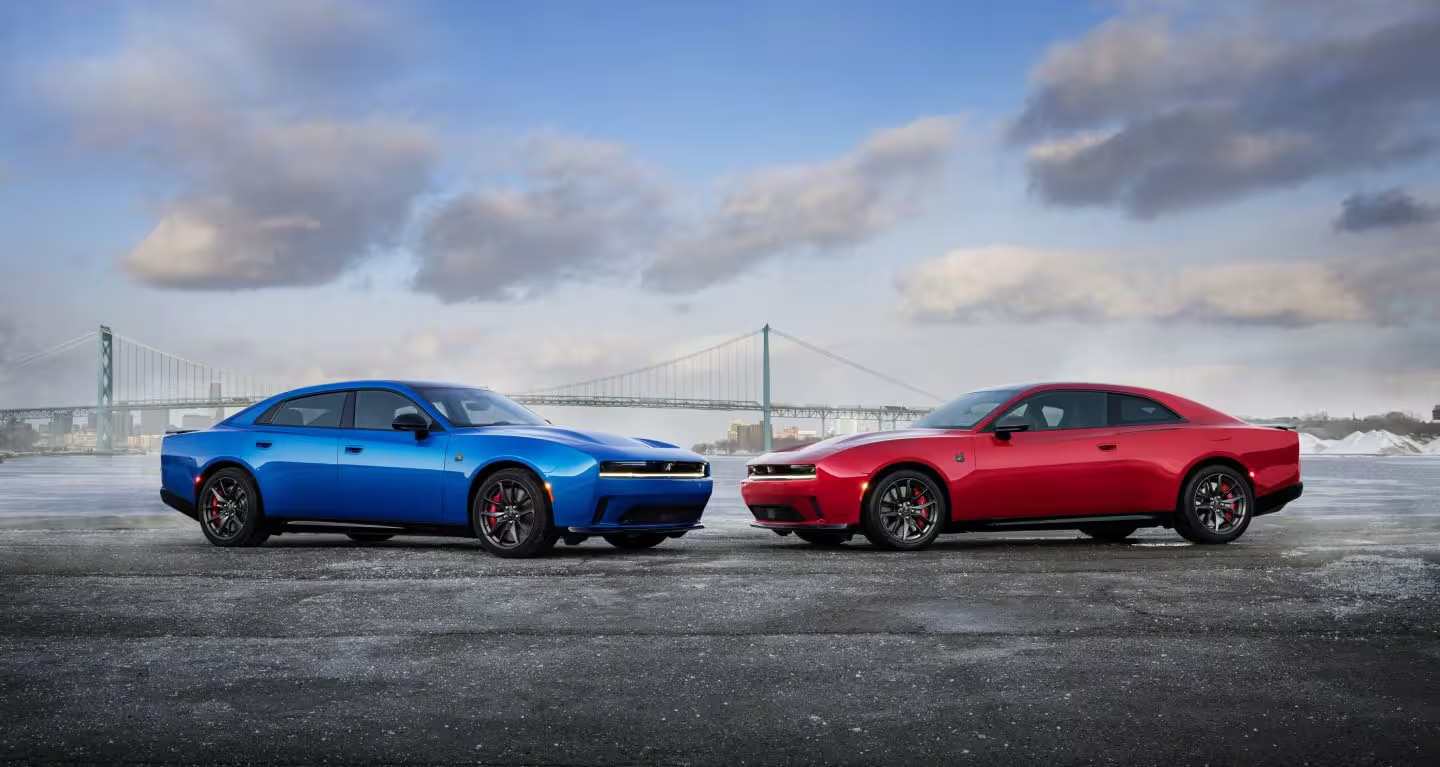
2026 Dodge Charger SIXPACK and Daytona EV Performance Features Explained
The 2026 Dodge Charger Scat Pack produces 550 hp and 531 lb-ft of torque from a 3.0L twin-turbo straight-six engine. That is a 130 hp jump over the standard R/T output, all without adding cylinders. This page breaks down both the SIXPACK I6 and Daytona EV powertrains, with inventory at Fillback.
Performance Feature Overview: Two Power Stories, One Nameplate
The 2026 Charger is built around two distinct performance philosophies. The SIXPACK Hurricane I6 is a twin-turbocharged, 3.0-liter straight-six gasoline engine that replaces the outgoing HEMI V8 with a smaller displacement unit that makes more power. The Daytona trim takes a separate path entirely, delivering electric performance through a dedicated EV powertrain in both coupe and sedan body styles.
Both approaches share a common goal: measurable, driver-controlled performance that feels immediate. The SIXPACK delivers that through forced induction and direct torque output. The Daytona delivers it through instant electric response. Neither is a compromise version of the other.
For buyers across Boscobel, Richland Center, and Prairie du Chien, Fillback carries both powertrain families so you can compare them in person rather than on paper.
How It Works: SIXPACK Hurricane I6
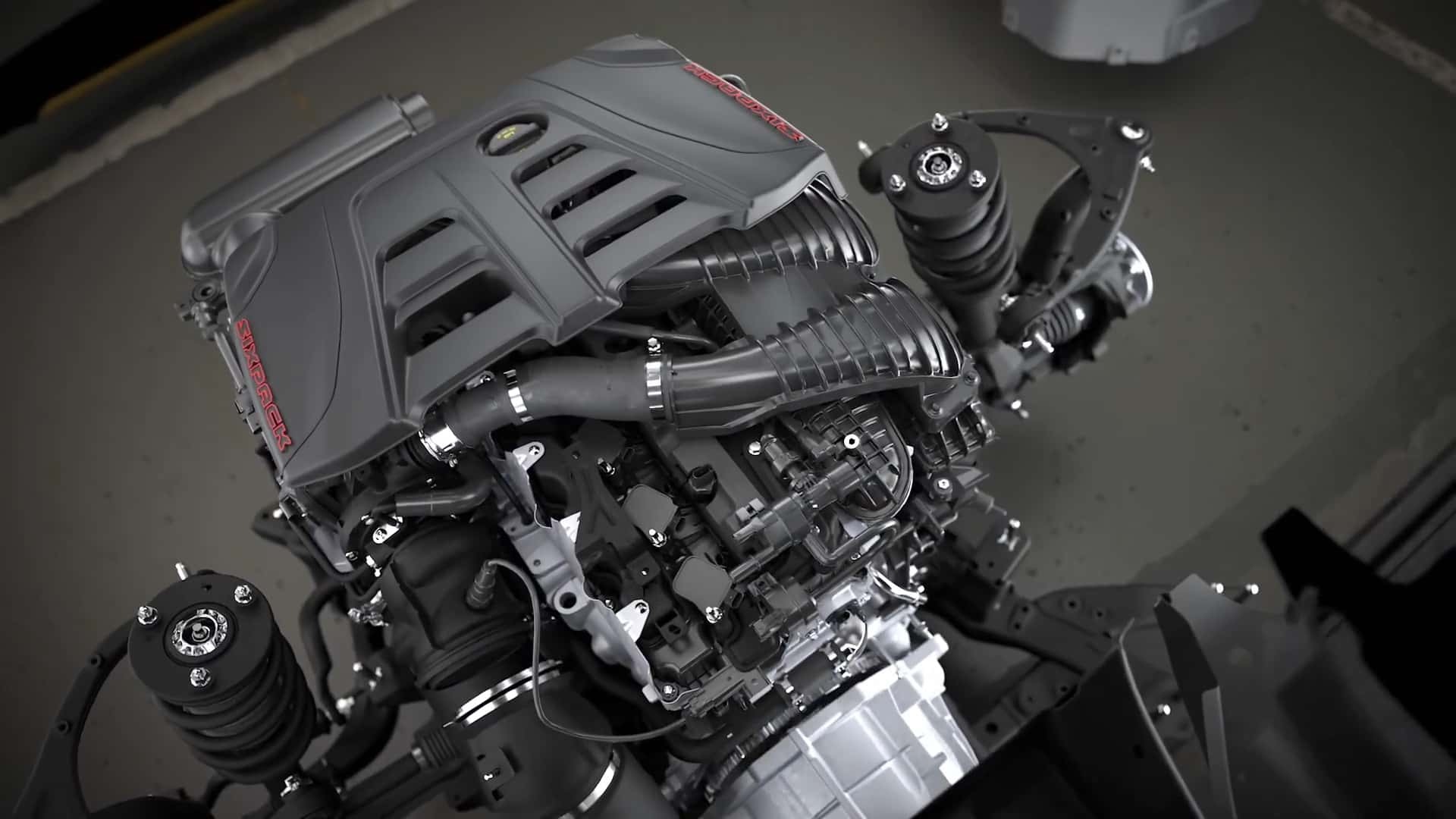
The Hurricane I6 is Dodge’s name for the 3.0-liter twin-turbocharged inline-six engine. Inline-six configurations are known for mechanical balance, and the twin-turbo setup allows Dodge to tune two separate output levels from the same block.
The Standard Output (SO) version in the R/T produces 420 hp and 468 lb-ft of torque. The High Output (HO) version in the Scat Pack pushes that to 550 hp and 531 lb-ft. The torque figure is particularly relevant at everyday driving speeds because peak torque from turbocharged engines arrives earlier in the RPM range than naturally aspirated engines of the same size.
Power routes through an 8-speed automatic transmission (880RE). All trims ship with AWD as standard, but the Scat Pack and R/T offer on-demand switchable RWD for drivers who want rear-drive dynamics on a closed course or track day.
Multiple Drive Modes, including Sport, Drag, and Track, are adjustable via steering-wheel controls. Each mode adjusts throttle response, transmission shift points, and AWD torque distribution to suit the situation. The Pistol-Grip shifter adds a physical, deliberate feel to mode and gear selection that reinforces the performance character of the cabin.
How It Works: Daytona EV Powertrain
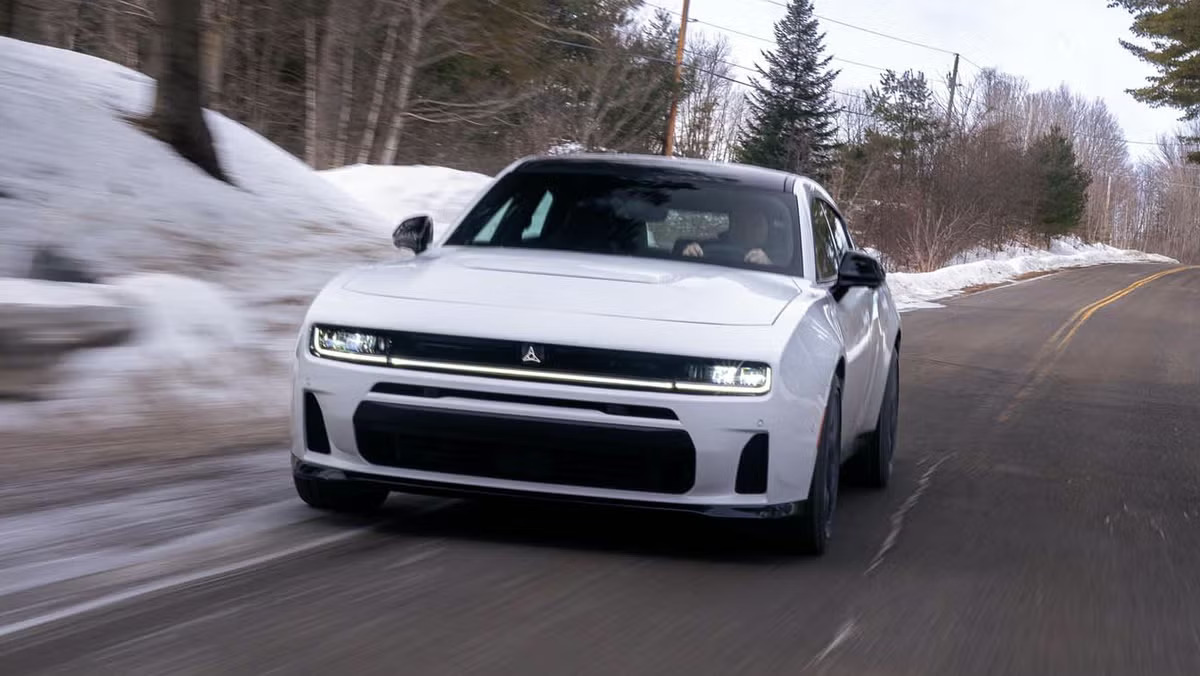
The Daytona trims, both the 2-door coupe and 4-door sedan, use a fully electric powertrain. Dodge has not positioned these as economy EVs. The Daytona Scat Pack and Daytona Scat Pack Plus are performance-oriented configurations designed to deliver the same driver-first character as the SIXPACK trims through electric means.
Both Daytona body styles, coupe and sedan, are available in standard Scat Pack and Scat Pack Plus configurations, giving buyers four Daytona variants to choose from. The AWD layout carries over to the Daytona lineup as well, providing traction across Wisconsin winters in Richland Center, Prairie du Chien, and Boscobel without requiring a separate all-season setup.
Across the Trims: Where Each Powertrain Lives
Understanding which powertrain maps to which trim prevents confusion during the shopping process.
SIXPACK Hurricane I6
The R/T and R/T Plus use the Standard Output SIXPACK at 420 hp and 468 lb-ft. The Scat Pack, Scat Pack Plus, and their respective sedan variants carry the High Output SIXPACK at 550 hp and 531 lb-ft. All gas-powered trims are available as a 2-door coupe, with the Scat Pack and Scat Pack Plus also offered as a 4-door sedan.
Daytona EV
The Daytona Scat Pack and Daytona Scat Pack Plus each come in 2-door coupe and 4-door sedan body styles, giving four total Daytona configurations. These are distinct from the gas Scat Pack trims and are not cross-configured.
Shared Tech Foundation
Supporting the performance intent of both families, every 2026 Charger trim includes the 12.3-inch Uconnect 5 touchscreen, a Digital Cluster Display, and the Uconnect Dodge App with remote vehicle operations and drive alerts. Plus trims step up to the 18-speaker, 900-watt Alpine audio system from the standard 9-speaker Alpine setup.
Real-World Benefit: What These Powertrains Mean Day to Day
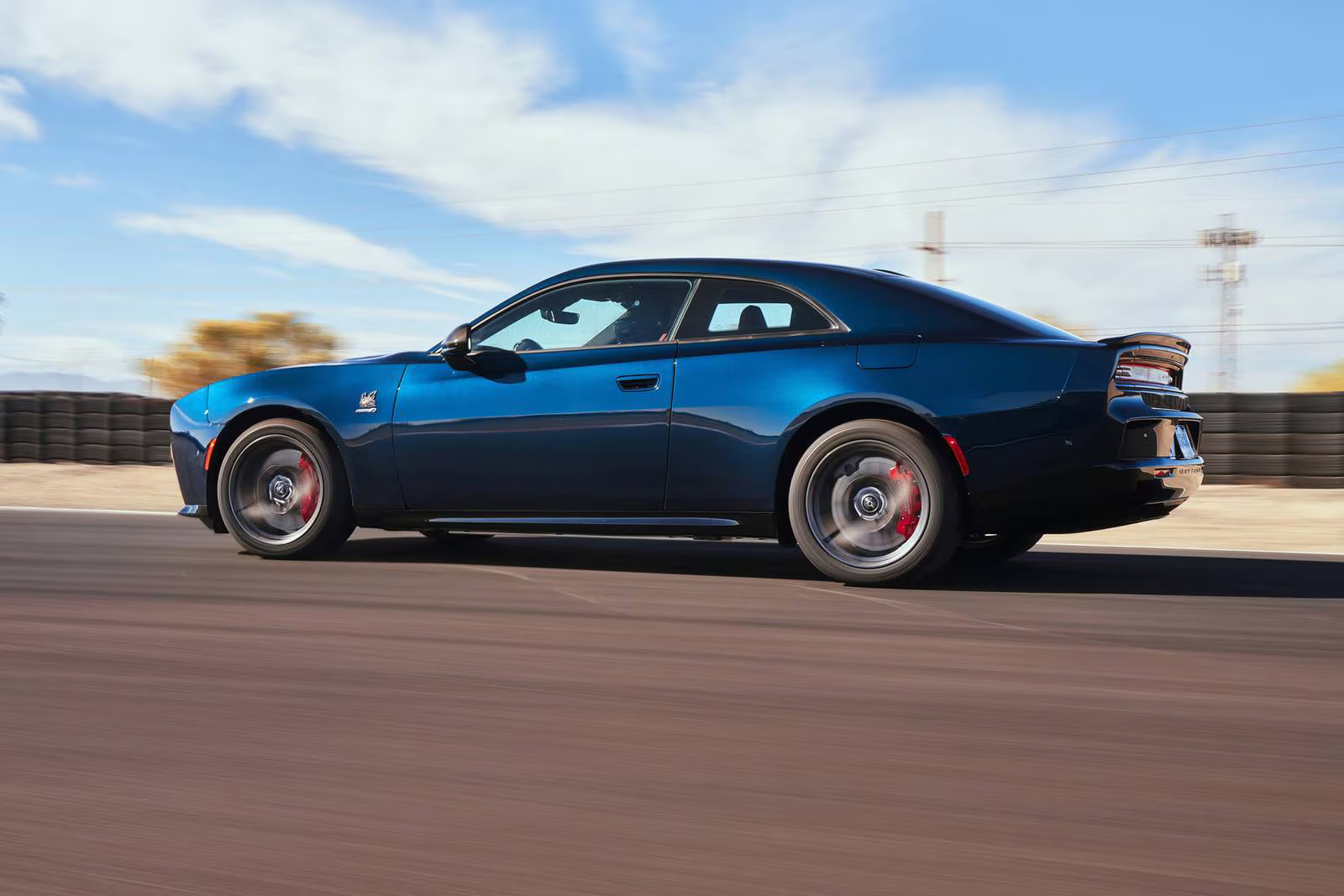
The SIXPACK’s torque curve means the 420 hp and 550 hp figures are not just peak numbers. Merging onto Wisconsin highways, passing at speed, or pulling out of a rural intersection, the turbo torque is available without waiting for revs to climb. The switchable RWD mode rewards drivers who want more engagement on an open road or at a track event without giving up AWD practicality for daily commuting.
The Daytona EV delivers immediate torque from a standing start, which is the defining characteristic of electric performance. For a buyer whose drive includes a mix of highway miles between Prairie du Chien and Richland Center and daily urban stops, the instant response of the EV powertrain translates into a different kind of confidence than the SIXPACK provides. Neither is objectively superior. They serve different driver preferences.
Both powertrain families share the same safety suite: Automatic Emergency Braking, Blind-Spot Monitoring, Adaptive Cruise Control, Active Driving Assist, and Intersection Collision Mitigation are standard across all 2026 Charger trims. Performance capability and daily safety systems are not traded against each other here.
How It Compares: SIXPACK and Daytona in Context
The SIXPACK Hurricane I6 at 550 hp directly challenges the muscle car segment benchmarks that were previously defined by large displacement V8s. A twin-turbo straight-six achieving this output in a 3.0L displacement is a notable engineering departure from the outgoing HEMI architecture. Competitors in the performance coupe segment either rely on larger naturally aspirated engines or use V8 configurations to reach comparable horsepower numbers.
The Daytona EV occupies a lane that has few direct rivals in the muscle car category. Most EV performance vehicles trend toward sedan or crossover body styles. A rear-oriented, performance-tuned EV in a traditional muscle car coupe shape is a narrow segment, and Dodge has designed the Daytona to retain the visual and emotional identity of the Charger nameplate while using electric drive.
For buyers comparing the two within the Charger lineup itself, the practical separator is fuel type and the driving experience that comes with it. The SIXPACK rewards mechanical engagement. The Daytona rewards instant torque response. Both reward drivers who want a performance car that functions as a full-time daily driver.
Find Your 2026 Charger at Fillback in Richland Center, Boscobel, or Prairie du Chien
Fillback carries 2026 Dodge Charger inventory across multiple locations in southwest Wisconsin. Whether you want to feel the SIXPACK’s turbo pull or test the Daytona EV’s instant response, the right way to settle the comparison is behind the wheel. Fillback’s team can walk you through both powertrain options, match the trim to your driving habits, and get you into the configuration that fits.
Frequently Asked Questions
What is the SIXPACK engine in the 2026 Dodge Charger?
The SIXPACK is Dodge’s name for the 3.0L twin-turbocharged inline-six, Hurricane I6, engine. It produces 420 hp in Standard Output form, R/T trims, and 550 hp in High Output form, Scat Pack trims.
How much horsepower does the 2026 Charger Scat Pack make?
The 2026 Charger Scat Pack makes 550 hp and 531 lb-ft of torque from the High Output Hurricane I6.
What is the difference between the SIXPACK and Daytona powertrain?
The SIXPACK is a gasoline twin-turbo straight-six engine. The Daytona uses a fully electric powertrain. Both are performance-oriented, but they deliver power differently. The SIXPACK builds through RPMs with turbo-assisted torque. The Daytona provides instant electric torque from zero RPM.
Does the 2026 Charger come with AWD?
Yes. AWD is standard on all 2026 Charger trims, including both the SIXPACK and Daytona powertrain variants. The Scat Pack and R/T trims also offer on-demand switchable RWD.
Is the 2026 Dodge Charger Daytona fully electric?
Yes. The Daytona Scat Pack and Daytona Scat Pack Plus trims use a fully electric powertrain. They are available in both 2-door coupe and 4-door sedan body styles.
What drive modes does the 2026 Charger offer?
The 2026 Charger includes Sport, Drag, and Track drive modes, all adjustable via steering-wheel controls. Each mode adjusts throttle response, shift behavior, and AWD torque distribution.
Where can I test drive the 2026 Dodge Charger near me in southwest Wisconsin?
Fillback carries 2026 Charger inventory at locations serving Boscobel, Richland Center, and Prairie du Chien. You can schedule a test drive directly through the Fillback website.
What is the fuel economy of the 2026 Dodge Charger SIXPACK?
The 2026 Charger with the SIXPACK engine is EPA-rated at 17 city / 26 highway / 19 combined MPG on premium gasoline.
 Filter
 My Vehicles
 Contact Us
Latest Arrival
New Dodge Charger Inventory


 Close

